Location sound on a commercial shoot:
what a sound recordist brings
On a commercial shoot, the picture usually takes centre stage: light, camera, cast, set. Sound often runs on the side, because music goes on top later anyway. That is exactly where the problems start that the mix can no longer solve. Whatever is not recorded on the shoot day has to be rebuilt later, and you can hear it.
The short version
Location sound is everything recorded directly on set on the shoot day: dialogue, ambience, room tone and effects. Even a spot with music needs it, because real sounds make the picture believable. A sound recordist makes sure the recordings are clean and complete and that post-production can work with them.
Contents
1. Why a spot needs location sound
Many spots end up running with music. Yet underneath you almost always hear more: a room, footsteps, fabric, the click of a lid. This layer turns a picture into a situation you believe. Without it, a spot feels sterile, even if the music is good.
These sounds can be rebuilt, but only with effort. Effects are then recreated in the studio and ambiences pulled from libraries, and in the end they rarely fit as well as the original. A day of location sound is almost always cheaper than that route.
2. What a sound recordist does
On the shoot day, the sound recordist takes care of everything that is meant to end up in the mix:
- Dialogue: with a shotgun mic on a boom pole and, where needed, with lavalier mics. The boom is usually the more natural choice; lavaliers help with wide shots and movement.
- Noise: ventilation, fridges, traffic or a humming light often go unnoticed on set. The sound recordist hears them and gets them switched off before the take.
- Levels and monitoring: they listen to every take on headphones and notice right away when something clips, hisses or a mic fails.
- Documentation: takes are named and annotated so the edit finds the right sound for the right picture.
On set we work with a Sound Devices MixPre-6, Sennheiser shotgun and boom pole. With this setup we recorded the cooking sounds for Fissler directly during the video shoot.
3. Ambience, room tone and wild tracks
Besides dialogue there are three recordings that are easily forgotten on the shoot day and then missing in post-production:
- Ambience: the sound of the location, whether street, office, kitchen or studio. It is the bed on which music and effects sit in the mix.
- Room tone: about a minute of silence on set, with everyone in place and nobody moving. It is used to smooth cuts in the sound and fill gaps.
- Wild tracks: sounds or lines recorded without camera when the take was too loud or too busy. A door slammed again, a line spoken once more in peace.
On the relaunch spot for NUR DIE, this was exactly our part: ambience and effects on the shoot day, so the spot sounds like real everyday life in post-production.
4. Effects on set or in the studio
Effects can be made in two ways. Recorded on set, they belong to the picture: the same pan, the same fabric, the same room. Recreated in the studio as foley, they are easier to control, but never sound quite like the location.
For products, location sound is especially worth it. How a lid locks or a fabric sounds is part of the product. With product sounds, that sound is even the actual goal.
We come to the set
With mobile gear for location sound on commercial, corporate and social shoots. If you like, we also take care of sound design and mix afterwards.
More on film sound →5. Common mistakes on the shoot day
Most sound problems in post-production start on set:
- Camera audio only: the camera mic is too far away and picks up room, fans and equipment. Good as a reference, rarely good for the mix.
- Noise not switched off: what nobody hears on set is impossible to miss on headphones.
- Rustling clothes: lavalier mics under fabric rub with every move. With fashion in particular, the mic has to sit carefully.
- No room tone: without it, cuts in the dialogue are hard to smooth.
- No backup: if a mic fails and nobody notices, the sound is gone.
How much work a shoot without a sound crew creates is shown by the feature film YABADU: it was shot without a sound recordist, and a mic defect was only noticed days later. In post-production we restored the dialogue, had lines re-recorded via ADR and rebuilt effects. More in the YABADU making-of.
6. What post-production needs
Good recordings only help if post-production can find them. The handover includes:
- Sorted files: named by shoot day, scene and take, with separate tracks per mic.
- Notes: which take was good, where there is noise, where there are wild tracks.
- Ambience and room tone: as separate, clearly named files.
If we also do the mix afterwards, the handover almost disappears, because we know what was recorded on set.
7. Checklist for the shoot day
- Is anyone speaking, and if so, who, where and how much?
- Which sounds belong to the product and should be audible?
- Are there fans, fridges or equipment that can be switched off?
- Is time planned for ambience, room tone and wild tracks?
- Who takes over sound design and mix afterwards, and in what format is the handover?
Research, source selection, and editorial responsibility: Rahim Erbil. We used AI while drafting and researching. Every sentence was checked by hand before it landed here. Made with Herzblut and AI.
Related reading:
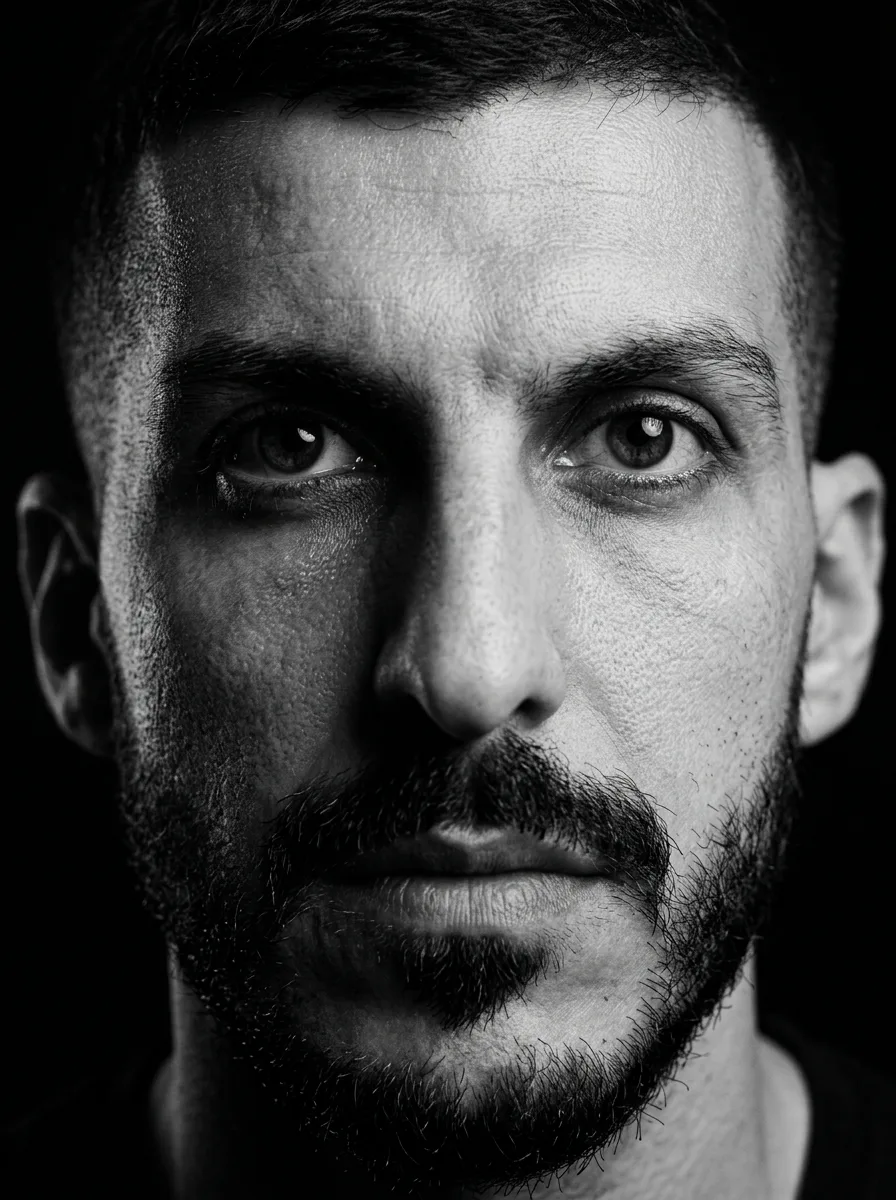
The same name on every line.
Concept, composition, sound design, mix, master: at Campera Media one name is responsible for every project, from the first briefing to the last second of the fade-out.
Meet Rahim →Frequently asked questions
about location sound.
The sound recorded directly on set on the shoot day: dialogue, the ambience of the location and effects. It is the basis for the later mix.
Usually yes. Ambience and real effects under the music make the picture believable. Without them a spot quickly feels sterile, and everything would have to be rebuilt later.
As a reference for the edit, yes; for the mix, rarely. Camera mics are too far away and pick up the room and the equipment.
A recording of the location without speech or movement, usually around a minute. It is used to smooth cuts in the sound and fill gaps.
Yes, with mobile gear for location sound. If you like, we also take care of sound design and mix afterwards. More on the page film sound and post-production.
Ready for sound
that impacts?
Tell us about your project, free and without obligation. We will get back to you within 24 hours with concrete ideas for your audio identity.